


Can sheet metal, with its intricate details, serve as the invisible framework for mechanical and electrical engineering?
Release Time : 2026-02-25
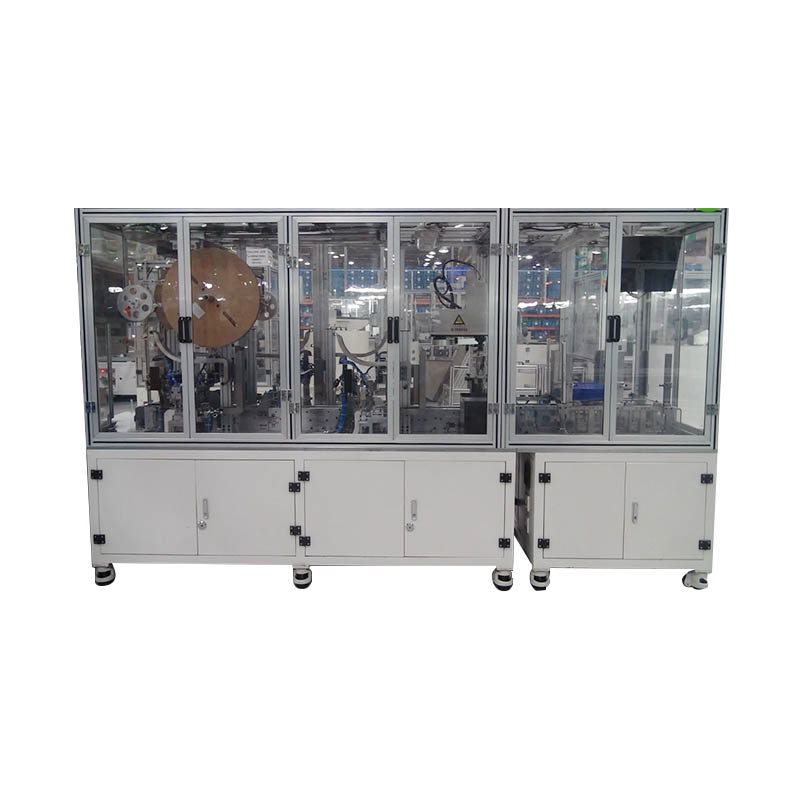
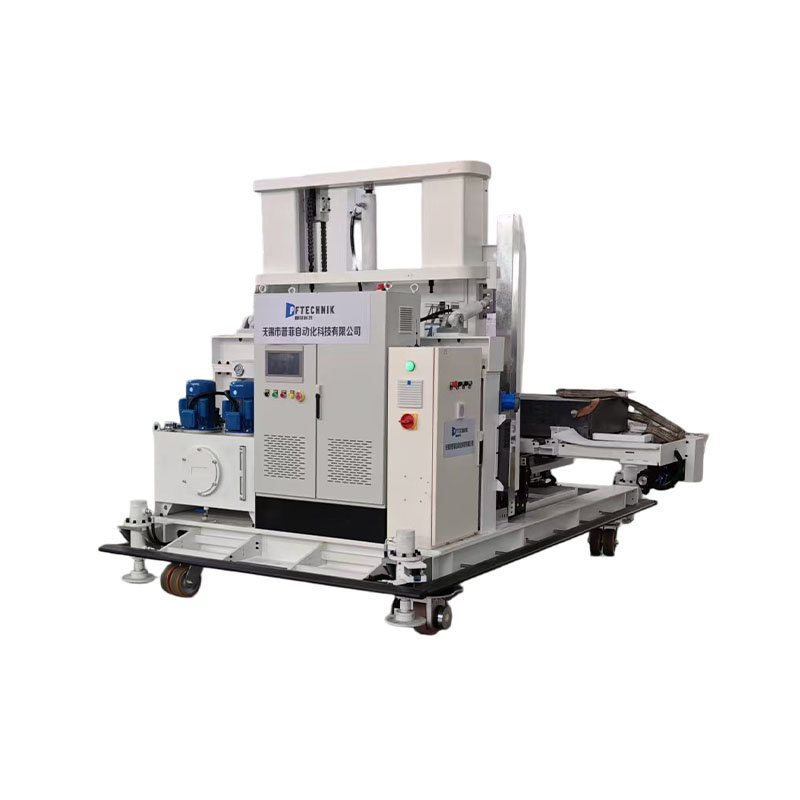
In the grand landscape of modern industry, from the casings of precision instruments to power distribution cabinets, from the supports of automated equipment to the control boxes of new energy sources, a seemingly ordinary yet ubiquitous basic material silently supports the stable operation of technological systems—sheet metal. As a key raw material in mechanical and electrical engineering services, it is as thin as paper, yet it seamlessly switches between multiple roles—structural support, electromagnetic protection, heat dissipation management, and safety isolation—thanks to its excellent strength, conductivity, machinability, and shielding properties. Silent and unassuming, it forms the physical foundation for the reliable operation of industrial equipment with its millimeter-thickness.
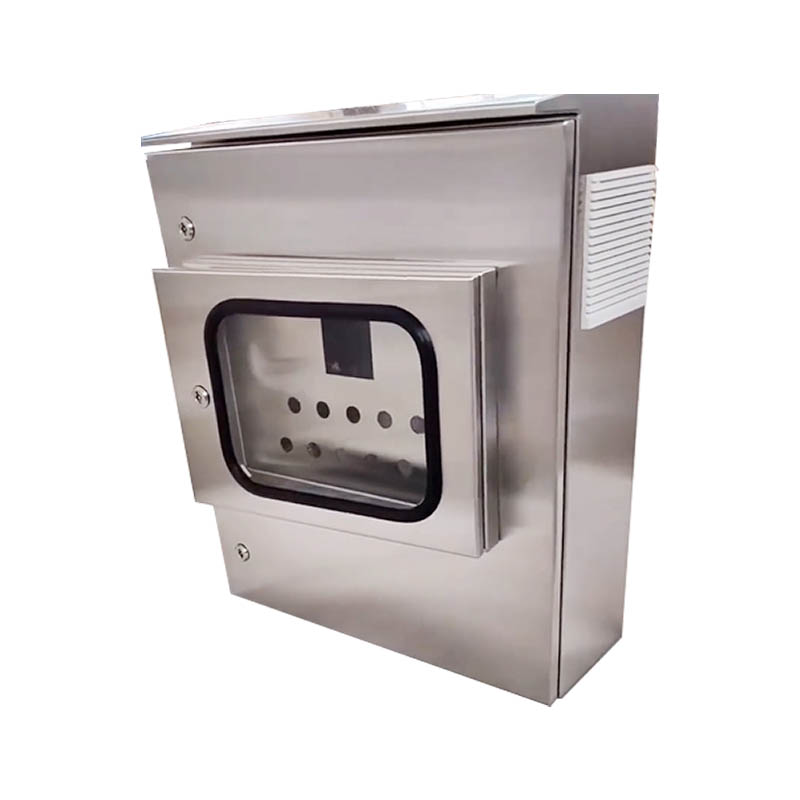
Its core advantage lies first and foremost in the precise matching of material diversity and functional suitability. Depending on the application scenario, sheet metal can be made from materials such as cold-rolled steel sheet, galvanized sheet, stainless steel sheet, aluminum sheet, or copper alloy sheet. Cold-rolled steel offers high rigidity and ease of welding, making it suitable for heavy-duty frames; galvanized coatings provide outdoor electrical boxes with excellent corrosion resistance; stainless steel meets the hygiene requirements of cleanrooms or food processing machinery; lightweight and thermally conductive aluminum sheets are commonly used for radiators or portable equipment housings; and copper, with its high conductivity, is used for grounding bars or shielding covers. This flexibility of "material selection based on need" allows engineers to achieve an optimal balance between performance, cost, and lifespan.
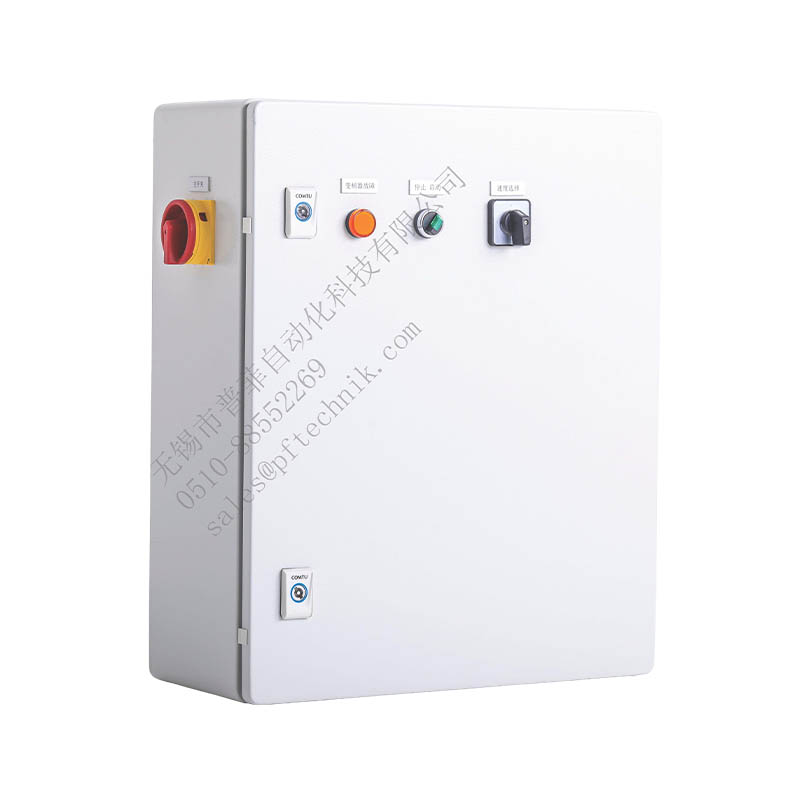
In manufacturing processes, advanced processing technologies unleash design freedom. Through laser cutting, CNC stamping, bending, and welding assembly, sheet metal can be efficiently transformed into complex three-dimensional structures—servo drive housings with ventilation holes, multi-compartment PLC control cabinets, and medical equipment shielding covers with EMC filtering windows can all be integrally molded. Edge deburring, surface powder coating, or anodizing not only improves aesthetics but also enhances insulation and resistance to environmental corrosion. The modular design concept also supports rapid disassembly and maintenance, significantly reducing equipment downtime.
A deeper value lies in the implicit guarantee of system safety and electromagnetic compatibility. In electrical engineering, sheet metal cabinets create a Faraday cage effect, effectively shielding against external radio frequency interference and preventing malfunctions in sensitive circuits. Simultaneously, they suppress internal high-frequency noise leakage, ensuring equipment complies with electromagnetic compatibility (EMC) regulations. Grounding design and equipotential bonding further reduce the risk of electric shock. In the mechanical field, thin-plate structural components, through a rational layout of reinforcing ribs, maintain rigidity while reducing weight, preventing resonance or deformation and ensuring the positioning accuracy of moving parts.
Furthermore, sustainability and life-cycle value are increasingly prominent. Sheet metal is 100% recyclable, with processing waste centrally recycled, resulting in energy consumption far lower than smelting new materials. Its durability reduces equipment replacement frequency, lowering resource consumption; lightweight design also indirectly saves energy during transportation and installation. In today's industrial landscape where green manufacturing and circular economy concepts are deeply ingrained, this "recyclable, low-impact" characteristic makes it a crucial choice for responsible engineering practices.
Ultimately, the significance of a sheet metal piece lies not in its thickness or rigidity, but in how it enables complex systems to operate efficiently within an orderly framework. When signals are transmitted stably within the control cabinet, and when the robotic arm executes commands precisely—behind this thin metal wall lies this silent yet powerful structure, safeguarding the boundaries and core of the technological world. Because in the essence of engineering services, true reliability is not about sheer size, but about every detail being meticulously calculated and precisely implemented—silent as a board, yet possessing immense strength.