


How does sheet metal, with its lightweight, strong, and precision molding, support the core needs of mechanical and electrical engineering?
Release Time : 2026-04-08
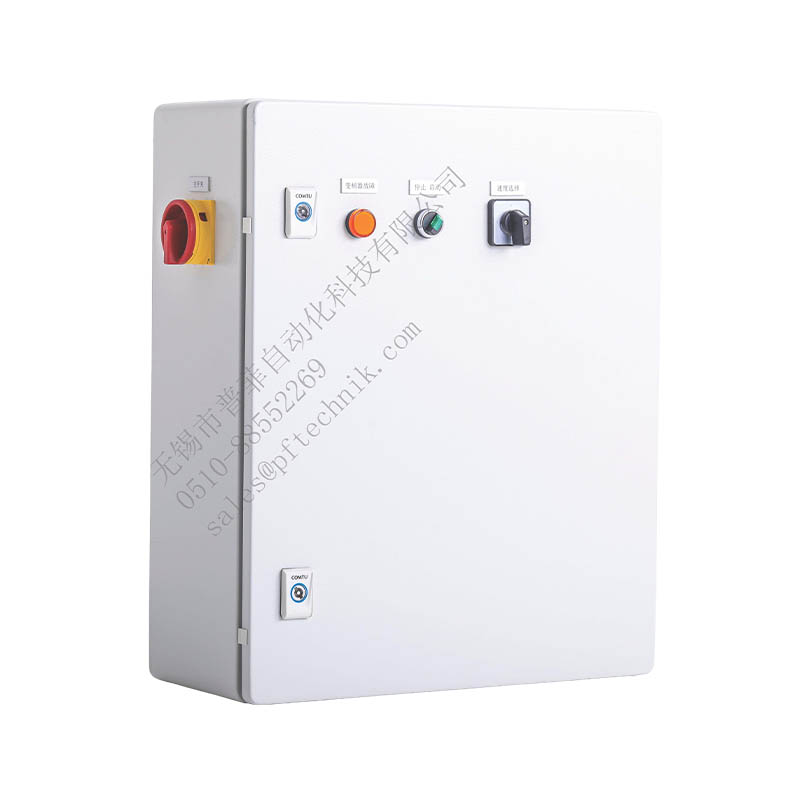
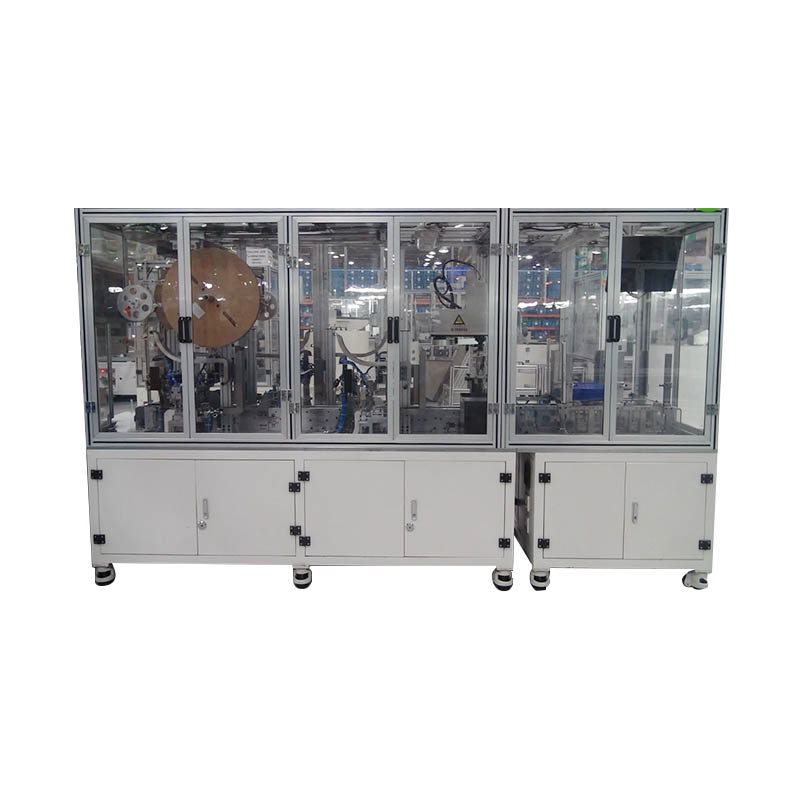
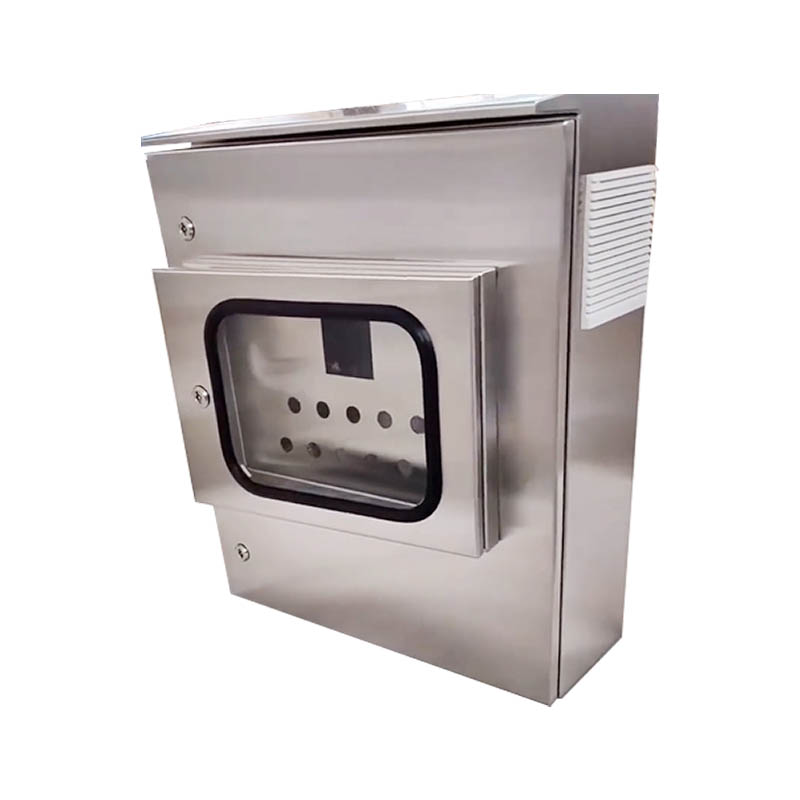
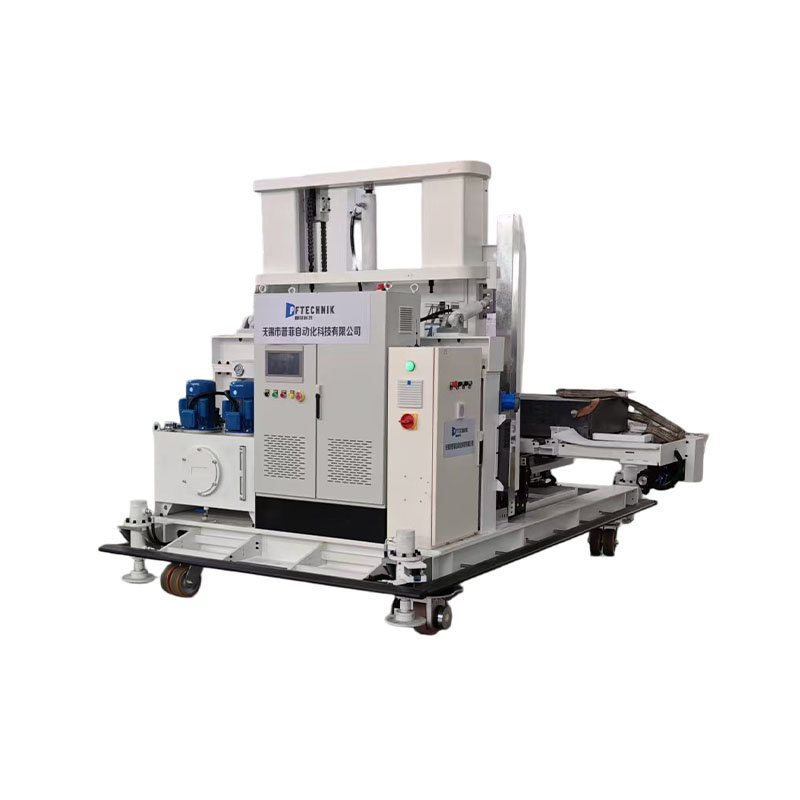
Within the vast system of mechanical and electrical engineering, sheet metal acts as an invisible skeleton and vein, running through key aspects such as equipment casings, structural support, and electrical conductivity and heat dissipation. From the protective covers of CNC machine tools to the enclosures of power distribution cabinets, from the heat sinks of electronic devices to the stator cores of motors, sheet metal, with its lightweight, strong, and flexible molding processes, integrates strength, precision, and functionality, becoming a fundamental material supporting the efficient operation of these two engineering fields. Its millimeter-precision machining meets the stability requirements of mechanical structures and the safe operation of electrical systems.
The versatility of the material gives sheet metal the core capability to handle different engineering scenarios. In mechanical engineering, carbon steel sheets, with their excellent strength and weldability, are the preferred choice for equipment frames and protective housings. After galvanizing or spraying, their surface can resist workshop oil stains and minor corrosion. Stainless steel sheets, with their excellent corrosion resistance and hygienic properties, are widely used in contact parts of food machinery and medical equipment, ensuring safety and cleanliness during use. Aluminum alloy sheets, with their lightweight advantage, are ideal materials for moving parts in aerospace machinery and automated equipment, reducing equipment weight while maintaining sufficient structural strength. In electrical engineering, copper and aluminum sheets, with their superior electrical and thermal conductivity, are core materials for busbars and radiators. Silicon steel sheets, through special grain orientation treatment, possess extremely low iron loss and high magnetic permeability, making them the "heart" material for motor and transformer cores, directly affecting the energy efficiency and operational stability of electrical equipment.
Precision forming processes allow sheet metal to undergo a precise transformation from planar to three-dimensional. Laser cutting technology uses a high-energy beam as a blade to cut complex contours and precise mounting holes in thin sheets, producing clean, burr-free cuts that meet the precise alignment requirements of mechanical assembly. CNC bending machines, controlled by a program, bend thin sheets into specific angles and curvatures to form the three-dimensional structure of equipment housings, achieving millimeter-level bending accuracy and ensuring tight seams. Stamping processes use molds for rapid forming, suitable for mass production of standardized electrical cabinet doors, mechanical supports, and other components, significantly improving production efficiency. For silicon steel sheets used in the electrical field, precise slitting and stacking processes are required to neatly stack ultra-thin silicon steel sheets into iron cores. The thickness and flatness of each sheet directly affect the magnetic flux transmission efficiency, and process precision directly determines the energy consumption and noise level of the motor.
Surface treatment and functional enhancement further expand the engineering application value of sheet metal. In mechanical engineering, sheet metal is often enhanced with processes such as sandblasting and anodizing to improve surface hardness and wear resistance, or anti-slip textures are imprinted on the surface to improve the safety of equipment operation. In electrical engineering, conductive sheets require tin or silver plating to reduce contact resistance and ensure the stability of current transmission, while heat-dissipating sheets use etching processes to create microchannels, increasing the heat dissipation area and improving heat exchange efficiency. For electrical components requiring insulation, the sheet surface is also coated with an insulating coating or laminated with insulating material to ensure conductivity while avoiding short-circuit risks, achieving a balance between function and safety.
Stringent quality control standards ensure the reliability of sheet metal in engineering applications. From the thickness tolerance and surface defect detection of raw materials to the dimensional accuracy and mechanical performance testing after molding, every piece of sheet metal used in mechanical and electrical engineering undergoes multiple inspection processes. Tensile testing verifies its tensile strength and ductility, ensuring it won't easily break under stress; hardness testing checks surface abrasion resistance, preventing scratches and deformation during long-term use; electrical performance testing, specifically for conductive and magnetically conductive sheets, precisely measures parameters such as resistivity and magnetic flux density to ensure it meets the energy efficiency requirements of electrical equipment. This end-to-end quality control ensures sheet metal plays a stable and reliable role in critical aspects such as the load-bearing capacity of mechanical structures and the conductivity and magnetism of electrical systems.
From the precise matching of diverse materials to the three-dimensional transformation of precision molding, from surface functional enhancement to stringent quality control, sheet metal, with its lightweight, thin, strong, and flexible processing capabilities, has become an indispensable basic material in mechanical and electrical engineering. Through precise structural support and functional realization, it drives efficient operation and technological innovation in these two engineering fields.
The versatility of the material gives sheet metal the core capability to handle different engineering scenarios. In mechanical engineering, carbon steel sheets, with their excellent strength and weldability, are the preferred choice for equipment frames and protective housings. After galvanizing or spraying, their surface can resist workshop oil stains and minor corrosion. Stainless steel sheets, with their excellent corrosion resistance and hygienic properties, are widely used in contact parts of food machinery and medical equipment, ensuring safety and cleanliness during use. Aluminum alloy sheets, with their lightweight advantage, are ideal materials for moving parts in aerospace machinery and automated equipment, reducing equipment weight while maintaining sufficient structural strength. In electrical engineering, copper and aluminum sheets, with their superior electrical and thermal conductivity, are core materials for busbars and radiators. Silicon steel sheets, through special grain orientation treatment, possess extremely low iron loss and high magnetic permeability, making them the "heart" material for motor and transformer cores, directly affecting the energy efficiency and operational stability of electrical equipment.
Precision forming processes allow sheet metal to undergo a precise transformation from planar to three-dimensional. Laser cutting technology uses a high-energy beam as a blade to cut complex contours and precise mounting holes in thin sheets, producing clean, burr-free cuts that meet the precise alignment requirements of mechanical assembly. CNC bending machines, controlled by a program, bend thin sheets into specific angles and curvatures to form the three-dimensional structure of equipment housings, achieving millimeter-level bending accuracy and ensuring tight seams. Stamping processes use molds for rapid forming, suitable for mass production of standardized electrical cabinet doors, mechanical supports, and other components, significantly improving production efficiency. For silicon steel sheets used in the electrical field, precise slitting and stacking processes are required to neatly stack ultra-thin silicon steel sheets into iron cores. The thickness and flatness of each sheet directly affect the magnetic flux transmission efficiency, and process precision directly determines the energy consumption and noise level of the motor.
Surface treatment and functional enhancement further expand the engineering application value of sheet metal. In mechanical engineering, sheet metal is often enhanced with processes such as sandblasting and anodizing to improve surface hardness and wear resistance, or anti-slip textures are imprinted on the surface to improve the safety of equipment operation. In electrical engineering, conductive sheets require tin or silver plating to reduce contact resistance and ensure the stability of current transmission, while heat-dissipating sheets use etching processes to create microchannels, increasing the heat dissipation area and improving heat exchange efficiency. For electrical components requiring insulation, the sheet surface is also coated with an insulating coating or laminated with insulating material to ensure conductivity while avoiding short-circuit risks, achieving a balance between function and safety.
Stringent quality control standards ensure the reliability of sheet metal in engineering applications. From the thickness tolerance and surface defect detection of raw materials to the dimensional accuracy and mechanical performance testing after molding, every piece of sheet metal used in mechanical and electrical engineering undergoes multiple inspection processes. Tensile testing verifies its tensile strength and ductility, ensuring it won't easily break under stress; hardness testing checks surface abrasion resistance, preventing scratches and deformation during long-term use; electrical performance testing, specifically for conductive and magnetically conductive sheets, precisely measures parameters such as resistivity and magnetic flux density to ensure it meets the energy efficiency requirements of electrical equipment. This end-to-end quality control ensures sheet metal plays a stable and reliable role in critical aspects such as the load-bearing capacity of mechanical structures and the conductivity and magnetism of electrical systems.
From the precise matching of diverse materials to the three-dimensional transformation of precision molding, from surface functional enhancement to stringent quality control, sheet metal, with its lightweight, thin, strong, and flexible processing capabilities, has become an indispensable basic material in mechanical and electrical engineering. Through precise structural support and functional realization, it drives efficient operation and technological innovation in these two engineering fields.