


How does an electric control cabinet safeguard the nerve center of an industrial system?
Release Time : 2026-03-24
In the grand symphony of modern industrial production, the operation of every machine, the flow of every production line, and the precise execution of every automated step all rely on a silent, dedicated core guardian: the electric control cabinet. As the nerve center of an industrial automation system, the electric control cabinet is not merely a collection of components encased in a metal shell; it is a crucial hub ensuring safe power distribution, precise logic control, and stable equipment operation. It integrates complex circuit logic, sensitive control signals, and powerful power supplies in an orderly manner, providing an impenetrable barrier and an intelligent brain for the entire production system.
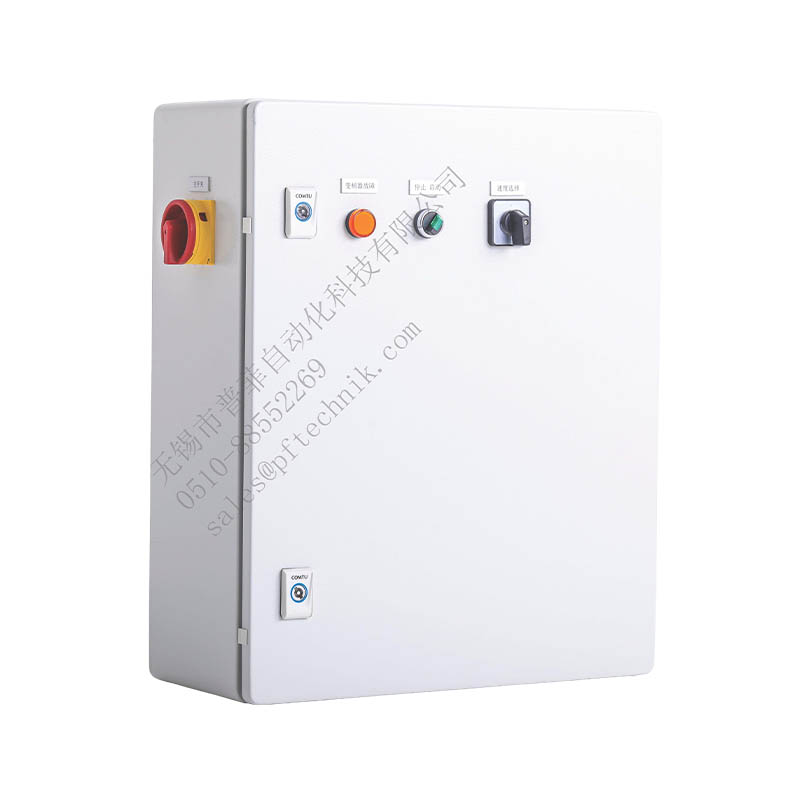
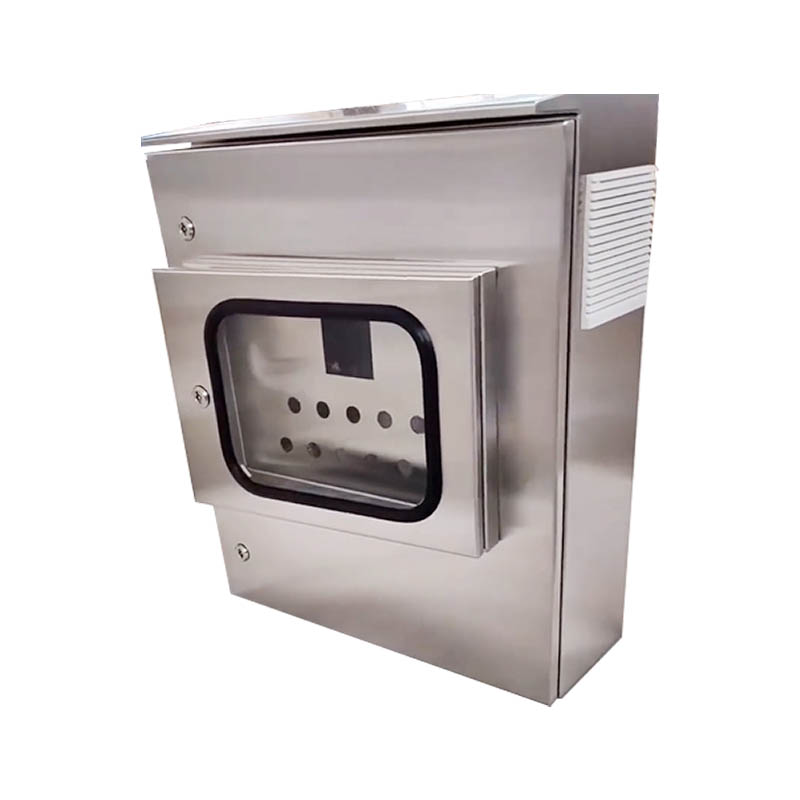
The primary mission of an electric control cabinet is to provide ultimate safety protection. Industrial environments are often complex and changeable, filled with dust, oil, humid gases, and even corrosive chemicals. These factors pose a significant threat to delicate electrical components. Through a robust enclosure design, the control cabinet achieves an extremely high level of protection, effectively preventing external objects from intruding into the internal circuitry and preventing catastrophic accidents such as short circuits and leakage. The cabinet is typically made of high-quality cold-rolled steel or stainless steel, with a rust-proof and corrosion-resistant surface treatment, ensuring durability. The internal electrical components are neatly mounted on guide rails or a base plate, with high-voltage and low-voltage signal lines strictly separated. This avoids signal distortion caused by electromagnetic interference and eliminates fire hazards caused by messy wiring. This physical isolation and protection ensures the stable operation of the control system under harsh conditions, building a safety barrier for personnel and equipment.
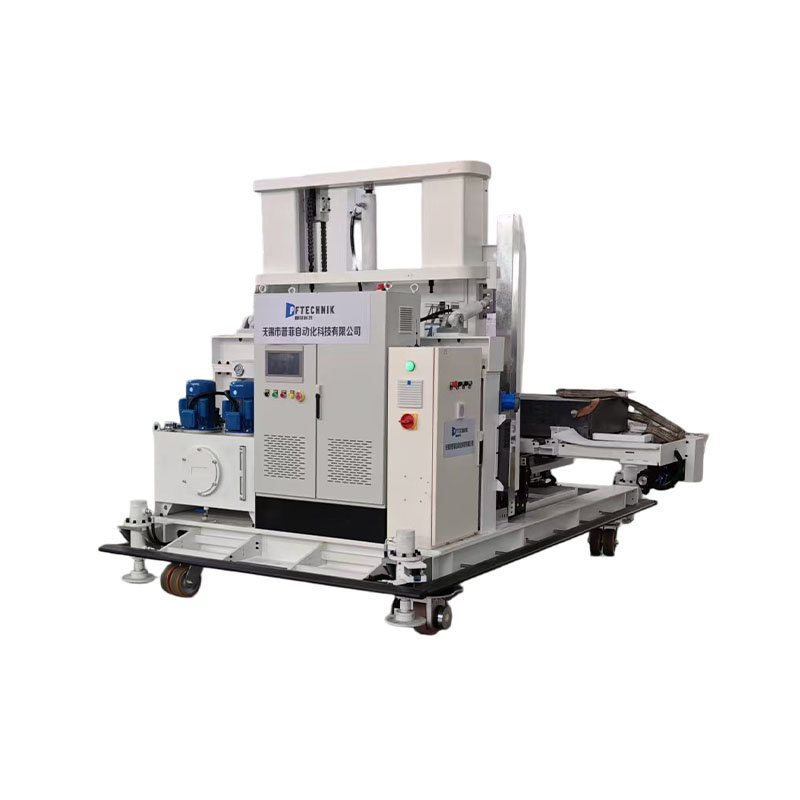
Beyond physical protection, the electric control cabinet is also the intelligent center for logic control and energy management. The cabinet integrates programmable logic controllers, frequency converters, contactors, relays, and various sensor interfaces, which together constitute the command system for automated production. Operators issue commands via the touchscreen or buttons on the cabinet door, and the controller quickly processes these signals, precisely controlling the start/stop and speed of motors and the opening/closing of valves according to preset programs, achieving automation and intelligence in the production process. The application of frequency converters within the cabinet enables smooth motor start-up and stepless speed regulation, significantly reducing mechanical shock, extending equipment life, and significantly improving energy efficiency, responding to the call for green manufacturing. All operating data, such as current, voltage, and temperature, are monitored and analyzed in real time within the cabinet. Once an anomaly is detected, the system immediately triggers an alarm or shutdown protection, minimizing potential losses.
With the advent of Industry 4.0, the design concept of electric control cabinets is constantly evolving, moving towards modularity, intelligence, and compactness. Modern control cabinets employ standardized modular designs, resulting in a more rational internal layout and unprecedented ease of installation and maintenance. Technicians can quickly locate fault points and replace damaged modules, significantly reducing downtime and ensuring production continuity. The application of intelligent temperature control systems automatically adjusts fans, air conditioners, or heaters within the cabinet to ensure that internal components are always within their optimal operating temperature range, preventing performance degradation or damage due to overheating. Furthermore, the integration of remote monitoring technology allows managers to monitor the control cabinet's operating status in real time through a cloud platform, enabling remote diagnostics and parameter adjustments without on-site presence, truly achieving unattended intelligent operation and maintenance.
The aesthetic value of electric control cabinets is equally important. Neat and standardized wiring, clear and unambiguous labeling, and a user-friendly interface not only enhance the overall quality of the equipment but also reflect the rigor and precision of modern industrial manufacturing. It is no longer a cold, impersonal metal box but an industrial work of art that blends technological aesthetics with practical functionality, becoming a unique feature of modern factories.
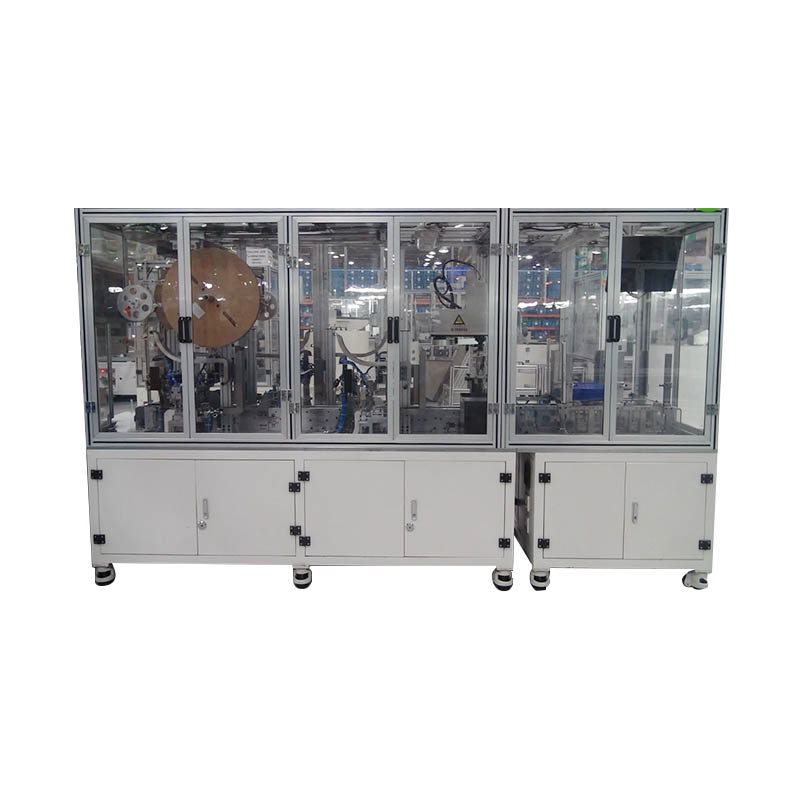
In the wave of transformation and upgrading in manufacturing, the role of electric control cabinets is becoming increasingly prominent. It is a bridge connecting the physical and digital worlds, a converter that transforms electrical energy into high-efficiency productivity. Whether it's a massive metallurgical production line, a sophisticated electronic assembly workshop, or a busy logistics sorting system, the electric control cabinet silently and diligently works behind the scenes, safeguarding every heartbeat of the industrial system with its superior protective performance, precise control capabilities, and intelligent management methods. In the future, with the continuous emergence of new materials and technologies, electric control cabinets will continue to evolve, propelling human industrial civilization to new heights with a more intelligent, efficient, and environmentally friendly approach, becoming an indispensable and solid cornerstone of the intelligent manufacturing era.
The primary mission of an electric control cabinet is to provide ultimate safety protection. Industrial environments are often complex and changeable, filled with dust, oil, humid gases, and even corrosive chemicals. These factors pose a significant threat to delicate electrical components. Through a robust enclosure design, the control cabinet achieves an extremely high level of protection, effectively preventing external objects from intruding into the internal circuitry and preventing catastrophic accidents such as short circuits and leakage. The cabinet is typically made of high-quality cold-rolled steel or stainless steel, with a rust-proof and corrosion-resistant surface treatment, ensuring durability. The internal electrical components are neatly mounted on guide rails or a base plate, with high-voltage and low-voltage signal lines strictly separated. This avoids signal distortion caused by electromagnetic interference and eliminates fire hazards caused by messy wiring. This physical isolation and protection ensures the stable operation of the control system under harsh conditions, building a safety barrier for personnel and equipment.
Beyond physical protection, the electric control cabinet is also the intelligent center for logic control and energy management. The cabinet integrates programmable logic controllers, frequency converters, contactors, relays, and various sensor interfaces, which together constitute the command system for automated production. Operators issue commands via the touchscreen or buttons on the cabinet door, and the controller quickly processes these signals, precisely controlling the start/stop and speed of motors and the opening/closing of valves according to preset programs, achieving automation and intelligence in the production process. The application of frequency converters within the cabinet enables smooth motor start-up and stepless speed regulation, significantly reducing mechanical shock, extending equipment life, and significantly improving energy efficiency, responding to the call for green manufacturing. All operating data, such as current, voltage, and temperature, are monitored and analyzed in real time within the cabinet. Once an anomaly is detected, the system immediately triggers an alarm or shutdown protection, minimizing potential losses.
With the advent of Industry 4.0, the design concept of electric control cabinets is constantly evolving, moving towards modularity, intelligence, and compactness. Modern control cabinets employ standardized modular designs, resulting in a more rational internal layout and unprecedented ease of installation and maintenance. Technicians can quickly locate fault points and replace damaged modules, significantly reducing downtime and ensuring production continuity. The application of intelligent temperature control systems automatically adjusts fans, air conditioners, or heaters within the cabinet to ensure that internal components are always within their optimal operating temperature range, preventing performance degradation or damage due to overheating. Furthermore, the integration of remote monitoring technology allows managers to monitor the control cabinet's operating status in real time through a cloud platform, enabling remote diagnostics and parameter adjustments without on-site presence, truly achieving unattended intelligent operation and maintenance.
The aesthetic value of electric control cabinets is equally important. Neat and standardized wiring, clear and unambiguous labeling, and a user-friendly interface not only enhance the overall quality of the equipment but also reflect the rigor and precision of modern industrial manufacturing. It is no longer a cold, impersonal metal box but an industrial work of art that blends technological aesthetics with practical functionality, becoming a unique feature of modern factories.
In the wave of transformation and upgrading in manufacturing, the role of electric control cabinets is becoming increasingly prominent. It is a bridge connecting the physical and digital worlds, a converter that transforms electrical energy into high-efficiency productivity. Whether it's a massive metallurgical production line, a sophisticated electronic assembly workshop, or a busy logistics sorting system, the electric control cabinet silently and diligently works behind the scenes, safeguarding every heartbeat of the industrial system with its superior protective performance, precise control capabilities, and intelligent management methods. In the future, with the continuous emergence of new materials and technologies, electric control cabinets will continue to evolve, propelling human industrial civilization to new heights with a more intelligent, efficient, and environmentally friendly approach, becoming an indispensable and solid cornerstone of the intelligent manufacturing era.