


How to Improve Structural Strength Through Sheet Metal Design in Equipment Housing Manufacturing for Mechanical and Electrical Engineering?
Release Time : 2026-03-10
In the field of mechanical and electrical engineering, equipment housings not only protect internal components but also require good structural strength and stability. Sheet metal is widely used in the manufacturing of equipment enclosures, control cabinets, and industrial housings due to its light weight, good machinability, and relatively low cost. However, in actual design, an inappropriate selection of sheet metal thickness can lead to structural deformation or insufficient strength.
1. Improving Foundation Strength Through Appropriate Sheet Metal Thickness Selection
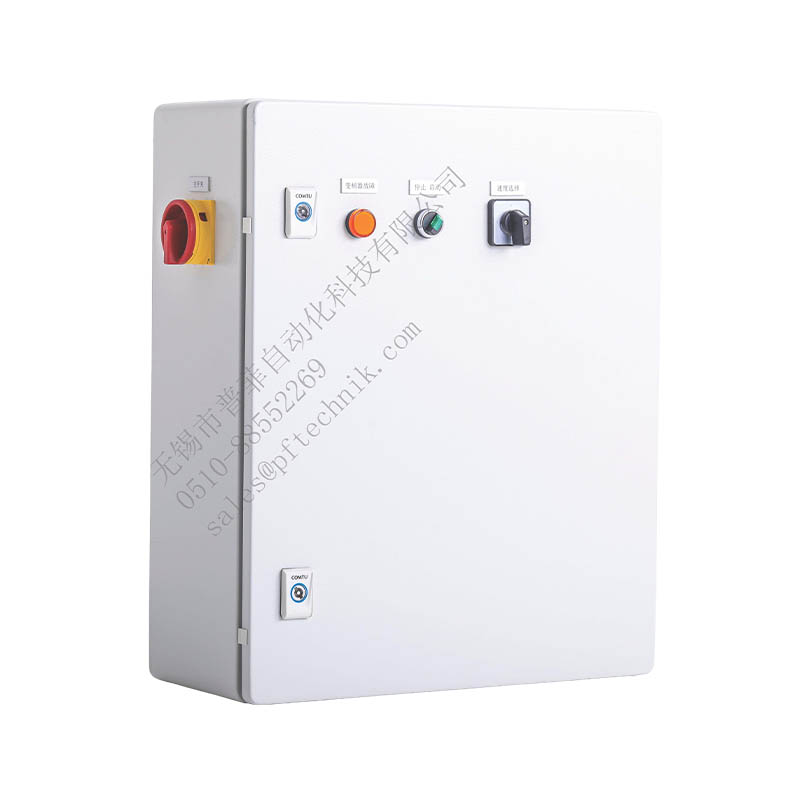
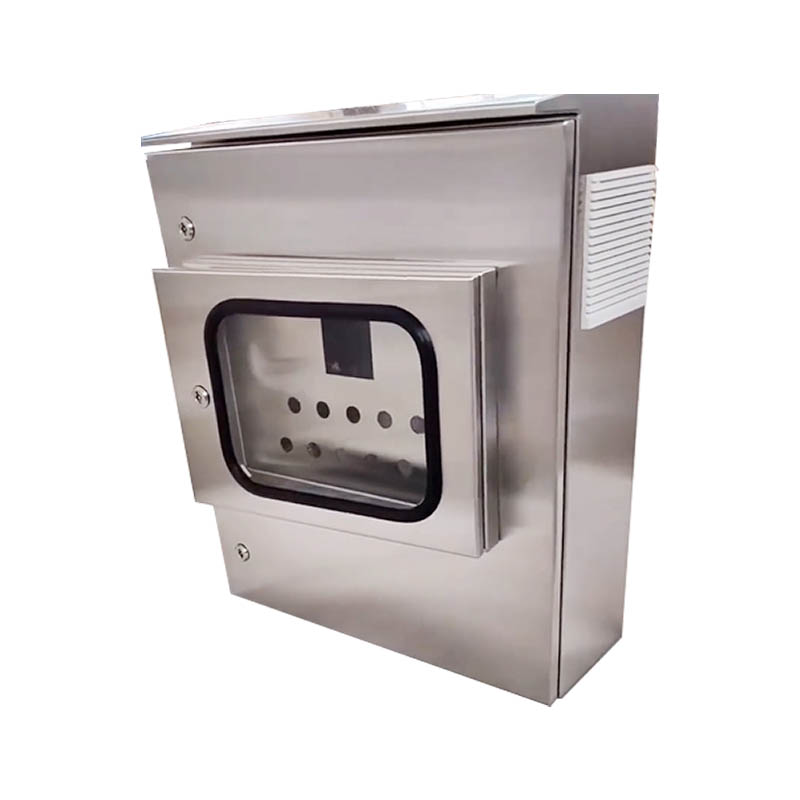
In equipment housing manufacturing, sheet metal thickness directly affects the overall structural load-bearing capacity. Thicker metal sheets provide higher rigidity, making the housing less prone to bending or deformation under external forces. For example, thicker steel or aluminum sheets are typically used in large electrical control cabinets or industrial equipment enclosures to ensure structural stability during long-term use. By rationally calculating the equipment weight, installation environment, and stress conditions, an appropriate sheet metal thickness can be selected, thereby controlling material costs while ensuring structural strength.
2. Optimizing Structural Performance Through Thickness Zoning Design
In practical engineering design, not all parts require the same thickness of sheet metal. Structural analysis of the equipment casing reveals differences in the forces borne by different areas. For example, the bottom or supporting parts of the equipment typically bear greater weight, so the sheet metal thickness can be appropriately increased to improve load-bearing capacity. For side panels or decorative panels, relatively thinner materials can be used. This thickness zoning design not only improves overall structural strength but also effectively reduces material waste.
3. Enhancing Overall Rigidity Through Bending Structures
Besides the sheet metal thickness itself, structural design also affects casing strength. During sheet metal processing, bending processes can create borders, reinforcing edges, or box-shaped structures, which significantly improve sheet metal rigidity. For example, adding folded edges to the edges of the equipment casing can create a frame-like structure from thin sheets, thereby enhancing bending resistance. When sheet metal thickness is combined with a reasonable bending design, higher structural strength can be achieved while maintaining material lightweighting.
4. Enhancing Stability with Reinforcing Rib Structures
In the design of some large equipment casings, simply increasing the sheet metal thickness is insufficient to fully meet strength requirements. Therefore, engineers typically add reinforcing ribs or plates inside the sheet metal. These ribs alter the stress distribution within the sheet metal, making the otherwise easily deformable planar structure more stable. By strategically arranging these ribs, overall strength can be improved without significantly increasing material thickness, thus achieving optimized structural design.
5. Machining Precision Ensures Structural Stability
During equipment housing manufacturing, the machining precision of the sheet metal also affects structural strength. Processes such as laser cutting, CNC bending, and precision stamping ensure accurate sheet metal dimensions, allowing for tight fit between components during assembly. Insufficient machining precision can lead to excessive gaps in connections, reducing overall structural stability. Therefore, high-precision machining technology plays a crucial role in enhancing the strength of equipment housings.
In the manufacturing of mechanical and electrical engineering equipment housings, through reasonable sheet metal thickness design, thickness zoning optimization, and the combination of bending structures and reinforcing ribs, sheet metal can effectively improve overall structural strength. Combined with precision machining processes, this ensures a stable and reliable housing structure, providing excellent protection for the safe operation of the equipment.
1. Improving Foundation Strength Through Appropriate Sheet Metal Thickness Selection
In equipment housing manufacturing, sheet metal thickness directly affects the overall structural load-bearing capacity. Thicker metal sheets provide higher rigidity, making the housing less prone to bending or deformation under external forces. For example, thicker steel or aluminum sheets are typically used in large electrical control cabinets or industrial equipment enclosures to ensure structural stability during long-term use. By rationally calculating the equipment weight, installation environment, and stress conditions, an appropriate sheet metal thickness can be selected, thereby controlling material costs while ensuring structural strength.
2. Optimizing Structural Performance Through Thickness Zoning Design
In practical engineering design, not all parts require the same thickness of sheet metal. Structural analysis of the equipment casing reveals differences in the forces borne by different areas. For example, the bottom or supporting parts of the equipment typically bear greater weight, so the sheet metal thickness can be appropriately increased to improve load-bearing capacity. For side panels or decorative panels, relatively thinner materials can be used. This thickness zoning design not only improves overall structural strength but also effectively reduces material waste.
3. Enhancing Overall Rigidity Through Bending Structures
Besides the sheet metal thickness itself, structural design also affects casing strength. During sheet metal processing, bending processes can create borders, reinforcing edges, or box-shaped structures, which significantly improve sheet metal rigidity. For example, adding folded edges to the edges of the equipment casing can create a frame-like structure from thin sheets, thereby enhancing bending resistance. When sheet metal thickness is combined with a reasonable bending design, higher structural strength can be achieved while maintaining material lightweighting.
4. Enhancing Stability with Reinforcing Rib Structures
In the design of some large equipment casings, simply increasing the sheet metal thickness is insufficient to fully meet strength requirements. Therefore, engineers typically add reinforcing ribs or plates inside the sheet metal. These ribs alter the stress distribution within the sheet metal, making the otherwise easily deformable planar structure more stable. By strategically arranging these ribs, overall strength can be improved without significantly increasing material thickness, thus achieving optimized structural design.
5. Machining Precision Ensures Structural Stability
During equipment housing manufacturing, the machining precision of the sheet metal also affects structural strength. Processes such as laser cutting, CNC bending, and precision stamping ensure accurate sheet metal dimensions, allowing for tight fit between components during assembly. Insufficient machining precision can lead to excessive gaps in connections, reducing overall structural stability. Therefore, high-precision machining technology plays a crucial role in enhancing the strength of equipment housings.
In the manufacturing of mechanical and electrical engineering equipment housings, through reasonable sheet metal thickness design, thickness zoning optimization, and the combination of bending structures and reinforcing ribs, sheet metal can effectively improve overall structural strength. Combined with precision machining processes, this ensures a stable and reliable housing structure, providing excellent protection for the safe operation of the equipment.