


How can a PLC cabinet ensure the continuous and efficient operation of PLC modules through reasonable heat dissipation design?
Release Time : 2026-06-09
In industrial automation systems, the PLC cabinet is the core carrier of the entire control system, integrating key components such as the PLC main unit, input/output modules, power supply modules, and communication equipment. These electronic components continuously generate heat during long-term operation. Poor heat dissipation can easily lead to temperature increases, affecting system stability and even causing crashes, malfunctions, or accelerated component aging.
1. Optimize Cabinet Structure to Create Reasonable Airflow Channels
The foundation of PLC cabinet heat dissipation design lies in a reasonable internal structural layout. By partitioning the power supply modules, which generate significant heat, from the core PLC control modules, heat concentration can be effectively reduced. Simultaneously, designing clear airflow channels inside the cabinet allows cool air to enter from the bottom and hot air to exit from the top, forming a natural convection circulation. This structural design effectively removes internal heat and improves overall heat dissipation efficiency.
2. Use Forced Air Cooling to Enhance Heat Dissipation Capacity
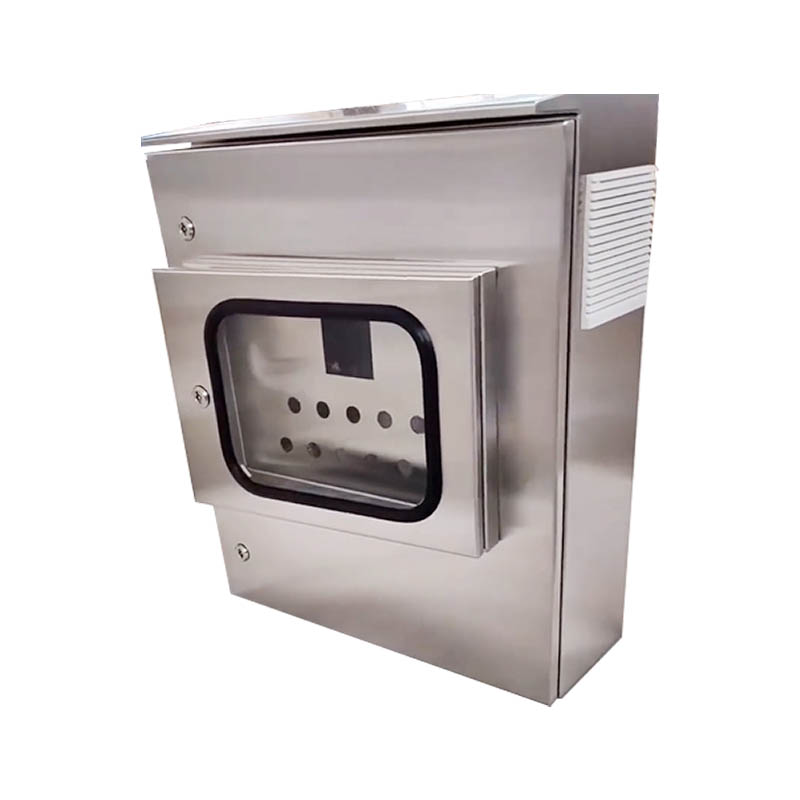
In industrial environments with high heat loads, natural convection alone is often insufficient to meet heat dissipation requirements; therefore, forced cooling with fans is usually necessary. Installing industrial cooling fans on the top or sides of the PLC cabinet accelerates airflow, allowing for rapid heat dissipation. Simultaneously, dust filters at the air inlets ensure airflow while preventing dust from entering the cabinet and affecting equipment operation, making it suitable for complex environments such as metallurgy, chemical engineering, and machinery manufacturing.
3. Optimized Heat Dissipation Components Improve Efficiency
In addition to air-cooling systems, some high-performance PLC cabinets utilize auxiliary heat dissipation devices such as radiators, heat-conducting plates, or heat exchangers. For example, adding a heat-conducting structure between the PLC module and the metal mounting plate allows for rapid transfer of localized heat to the cabinet casing, where it is then released through overall heat dissipation. This multi-path heat dissipation method effectively reduces localized hotspot temperatures and improves the overall thermal stability of the system.
4. Optimized Component Layout Reduces Thermal Interference
In the internal layout design of the PLC cabinet, high-heat-generating components should be kept away from temperature-sensitive components. For example, power modules and frequency converters, which generate significant heat, should be placed as close as possible to the heat dissipation channels, while the PLC main control module should be located in a relatively temperature-stable area. Scientific layout can reduce mutual heat interference and the impact of thermal interference on signal processing accuracy, thereby improving system reliability.
5. Improve the heat dissipation performance of cabinet materials
The thermal conductivity of the PLC cabinet's outer shell material also affects heat dissipation. Using metal materials, such as cold-rolled steel plates or aluminum alloy structures, can improve the efficiency of heat conduction. Adding heat dissipation fins or increasing the surface area of the cabinet also helps accelerate heat release. In some high-end applications, a combination of anti-corrosion coatings and thermally conductive coatings is used to improve heat dissipation while ensuring protection.
6. Introduce intelligent temperature control systems for dynamic adjustment
Modern PLC cabinets increasingly incorporate intelligent temperature control systems, using temperature sensors to monitor internal temperature changes in real time. When the temperature exceeds a set threshold, the system automatically adjusts the fan speed or activates additional cooling equipment, achieving dynamic heat dissipation control. This intelligent heat dissipation method not only improves energy efficiency but also extends equipment lifespan, ensuring the PLC system remains in a stable operating state.
In summary, PLC cabinets effectively control internal temperature and ensure the continuous and efficient operation of PLC modules through various methods, including optimized structural design, forced air cooling, efficient heat dissipation components, rational component layout, improved cabinet material performance, and the introduction of intelligent temperature control systems. In the context of continuous development in industrial automation, scientific heat dissipation design has become a key guarantee for improving system stability and reliability.
1. Optimize Cabinet Structure to Create Reasonable Airflow Channels
The foundation of PLC cabinet heat dissipation design lies in a reasonable internal structural layout. By partitioning the power supply modules, which generate significant heat, from the core PLC control modules, heat concentration can be effectively reduced. Simultaneously, designing clear airflow channels inside the cabinet allows cool air to enter from the bottom and hot air to exit from the top, forming a natural convection circulation. This structural design effectively removes internal heat and improves overall heat dissipation efficiency.
2. Use Forced Air Cooling to Enhance Heat Dissipation Capacity
In industrial environments with high heat loads, natural convection alone is often insufficient to meet heat dissipation requirements; therefore, forced cooling with fans is usually necessary. Installing industrial cooling fans on the top or sides of the PLC cabinet accelerates airflow, allowing for rapid heat dissipation. Simultaneously, dust filters at the air inlets ensure airflow while preventing dust from entering the cabinet and affecting equipment operation, making it suitable for complex environments such as metallurgy, chemical engineering, and machinery manufacturing.
3. Optimized Heat Dissipation Components Improve Efficiency
In addition to air-cooling systems, some high-performance PLC cabinets utilize auxiliary heat dissipation devices such as radiators, heat-conducting plates, or heat exchangers. For example, adding a heat-conducting structure between the PLC module and the metal mounting plate allows for rapid transfer of localized heat to the cabinet casing, where it is then released through overall heat dissipation. This multi-path heat dissipation method effectively reduces localized hotspot temperatures and improves the overall thermal stability of the system.
4. Optimized Component Layout Reduces Thermal Interference
In the internal layout design of the PLC cabinet, high-heat-generating components should be kept away from temperature-sensitive components. For example, power modules and frequency converters, which generate significant heat, should be placed as close as possible to the heat dissipation channels, while the PLC main control module should be located in a relatively temperature-stable area. Scientific layout can reduce mutual heat interference and the impact of thermal interference on signal processing accuracy, thereby improving system reliability.
5. Improve the heat dissipation performance of cabinet materials
The thermal conductivity of the PLC cabinet's outer shell material also affects heat dissipation. Using metal materials, such as cold-rolled steel plates or aluminum alloy structures, can improve the efficiency of heat conduction. Adding heat dissipation fins or increasing the surface area of the cabinet also helps accelerate heat release. In some high-end applications, a combination of anti-corrosion coatings and thermally conductive coatings is used to improve heat dissipation while ensuring protection.
6. Introduce intelligent temperature control systems for dynamic adjustment
Modern PLC cabinets increasingly incorporate intelligent temperature control systems, using temperature sensors to monitor internal temperature changes in real time. When the temperature exceeds a set threshold, the system automatically adjusts the fan speed or activates additional cooling equipment, achieving dynamic heat dissipation control. This intelligent heat dissipation method not only improves energy efficiency but also extends equipment lifespan, ensuring the PLC system remains in a stable operating state.
In summary, PLC cabinets effectively control internal temperature and ensure the continuous and efficient operation of PLC modules through various methods, including optimized structural design, forced air cooling, efficient heat dissipation components, rational component layout, improved cabinet material performance, and the introduction of intelligent temperature control systems. In the context of continuous development in industrial automation, scientific heat dissipation design has become a key guarantee for improving system stability and reliability.