


How can sheet metal become an ideal material for manufacturing enclosures in mechanical and electrical engineering?
Release Time : 2026-06-24
Sheet metal, a widely used material in mechanical and electrical engineering, plays a crucial role in metal enclosure manufacturing due to its excellent processing performance, stable structural strength, and good adaptability. From industrial equipment to automated control systems, from communication equipment to electrical control cabinets, sheet metal not only provides external protection but also offers structural support, heat dissipation assistance, and overall aesthetics, making it an indispensable component of modern manufacturing.
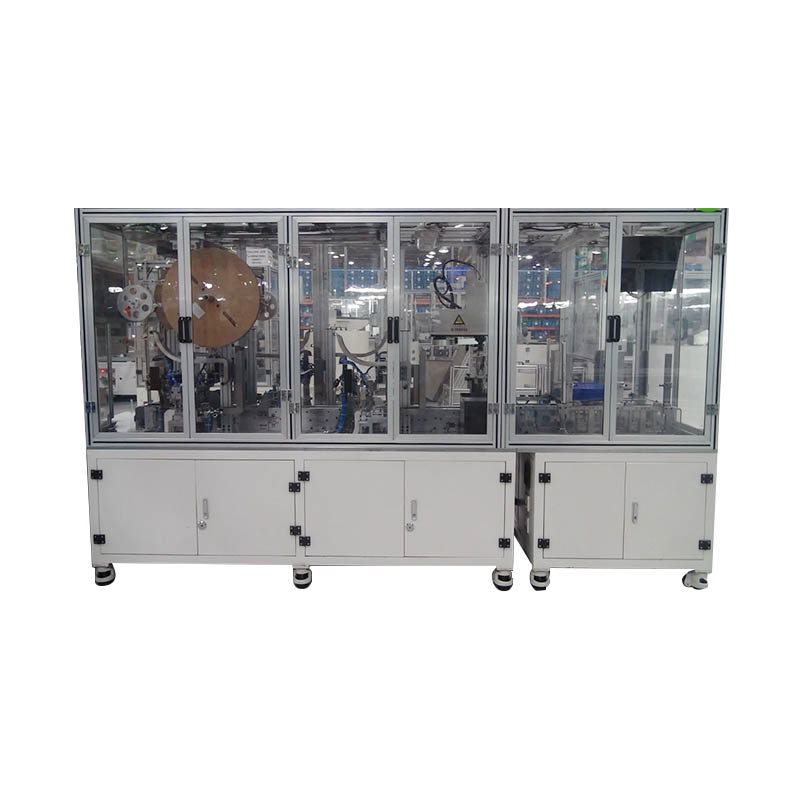
In mechanical engineering, sheet metal has excellent formability, allowing for the creation of various structures through cutting, bending, stamping, welding, and other processing techniques. Designers can flexibly design according to equipment characteristics, ensuring a high degree of matching between the metal enclosure and the internal structure, improving overall assembly efficiency and resulting in a cleaner, more uniform appearance. High-quality sheet metal can meet the processing requirements of complex structures, providing stable and reliable external protection for various mechanical equipment.
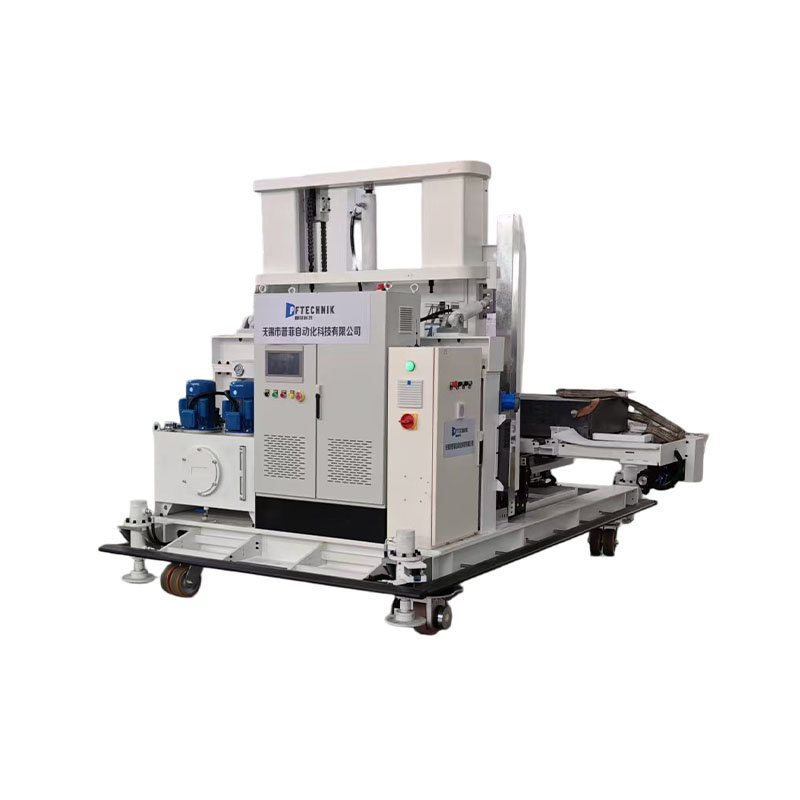
Mechanical equipment typically operates in complex environments; therefore, metal enclosures not only need good strength but also stable durability. After professional processing, sheet metal forms a robust, integrated structure that maintains excellent stability during long-term operation, effectively protecting internal core components from external environmental influences. This solid casing provides enhanced safety during transportation, installation, and use, further improving overall performance.
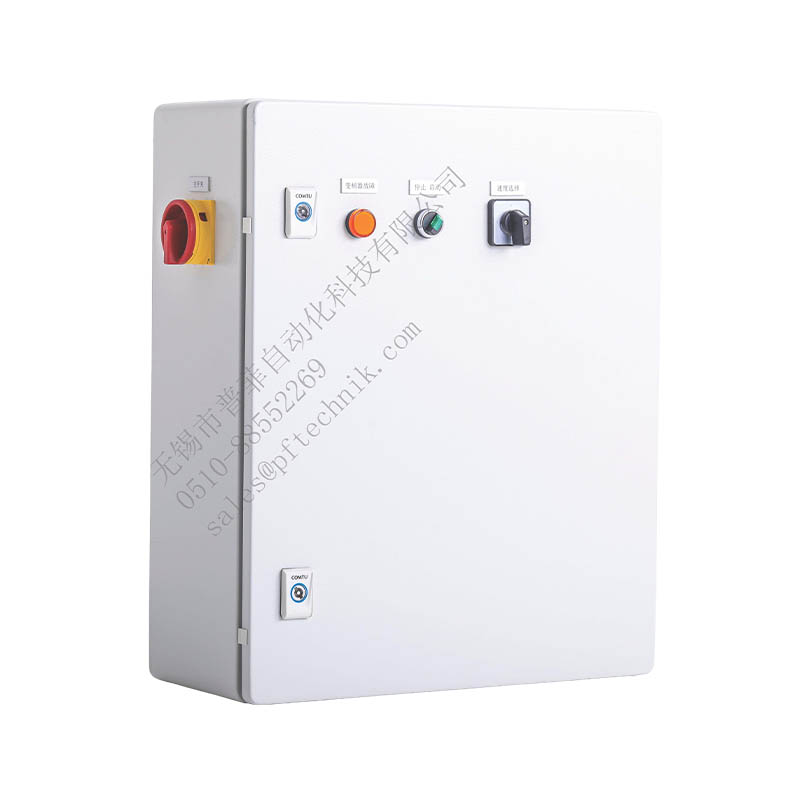
In electrical engineering, sheet metal casings offer excellent structural stability, providing reliable protection for various control systems, power supplies, and intelligent terminals. A well-designed structure allows for more standardized internal component layout, facilitating wiring and equipment maintenance, and ensuring a more organized system operation. The metal casing not only strengthens the overall equipment but also enhances the product's professional image and modern feel, meeting the dual requirements of quality and aesthetics in industrial applications.
Sheet metal boasts excellent processing adaptability, allowing for customized solutions to meet diverse product needs. From appearance and mounting structure to functional openings, precision machining ensures accurate execution, balancing practicality and design. Flexible processing methods make sheet metal casings suitable for various industries, providing richer solutions for mechanical manufacturing, electrical control, automation systems, and intelligent equipment.
Modern manufacturing increasingly emphasizes integrated product design, and sheet metal perfectly meets this trend. Through refined design and professional manufacturing processes, the enclosure not only provides excellent protection but also integrates multiple functions such as heat dissipation, installation, fixation, and decoration, resulting in a more compact and rational equipment structure. The integrated design reduces the difficulty of component assembly, improves assembly efficiency, and gives the product a cleaner, more streamlined appearance.
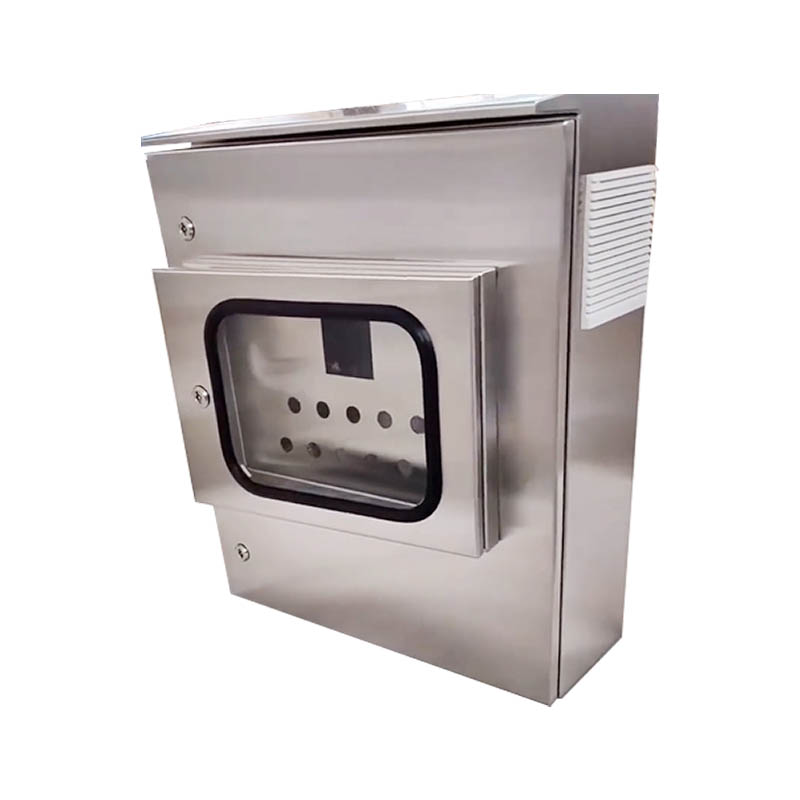
Metal enclosures also demonstrate excellent environmental adaptability in practical applications. After surface treatment, the product maintains a more stable appearance and performance, retaining excellent wear resistance and corrosion resistance even in complex industrial environments. Stable and reliable quality extends the equipment's lifespan, reduces maintenance costs, and provides enterprises with a more economical and efficient application experience, ensuring the equipment maintains optimal operating conditions for extended periods.
With the continuous development of intelligent manufacturing, various mechanical equipment and electrical products place higher demands on enclosure quality. Sheet metal, with its precise machining capabilities and superior material properties, can meet high-precision assembly requirements, ensuring more secure internal component installation, more accurate interface positioning, and a more rational overall structure. High-quality metal enclosures not only improve equipment reliability but also enhance overall product competitiveness, providing strong support for enterprises to build a more professional brand image.
In terms of product design, sheet metal boasts rich styling capabilities, allowing for diverse appearance styles to be created for various application scenarios. Simple, flowing lines, refined edge treatments, and a unified, harmonious structural design endow mechanical and electrical products with both industrial aesthetics and practical value. The excellent visual effect not only enhances the product's grade but also strengthens user recognition of equipment quality, showcasing a more modern development philosophy in industrial products.
During the manufacturing process, sheet metal can be closely integrated with processes such as laser cutting, CNC bending, precision welding, and surface treatment to achieve a high-quality production process. Advanced processing technology ensures dimensional accuracy and structural consistency, giving each metal casing a stable and reliable quality. Standardized production models further improve production efficiency and meet the market demand for simultaneous mass production and personalized customization.
As an important component of mechanical and electrical engineering services, sheet metal is not only a basic material but also a crucial carrier connecting design concepts and manufacturing processes. With its excellent processing performance, stable structural performance, flexible customization capabilities, and good appearance quality, sheet metal casings are widely used in various industrial equipment and smart products, providing reliable support for modern manufacturing. In the future, with the continuous upgrading of precision manufacturing technology, Sheet Metal will continue to play an important role in the fields of mechanical engineering, electrical engineering, and intelligent equipment. With more professional quality and more complete manufacturing capabilities, it will create higher value for industrial products and promote the continuous development of the manufacturing industry towards high quality, high efficiency, and intelligence.
In mechanical engineering, sheet metal has excellent formability, allowing for the creation of various structures through cutting, bending, stamping, welding, and other processing techniques. Designers can flexibly design according to equipment characteristics, ensuring a high degree of matching between the metal enclosure and the internal structure, improving overall assembly efficiency and resulting in a cleaner, more uniform appearance. High-quality sheet metal can meet the processing requirements of complex structures, providing stable and reliable external protection for various mechanical equipment.
Mechanical equipment typically operates in complex environments; therefore, metal enclosures not only need good strength but also stable durability. After professional processing, sheet metal forms a robust, integrated structure that maintains excellent stability during long-term operation, effectively protecting internal core components from external environmental influences. This solid casing provides enhanced safety during transportation, installation, and use, further improving overall performance.
In electrical engineering, sheet metal casings offer excellent structural stability, providing reliable protection for various control systems, power supplies, and intelligent terminals. A well-designed structure allows for more standardized internal component layout, facilitating wiring and equipment maintenance, and ensuring a more organized system operation. The metal casing not only strengthens the overall equipment but also enhances the product's professional image and modern feel, meeting the dual requirements of quality and aesthetics in industrial applications.
Sheet metal boasts excellent processing adaptability, allowing for customized solutions to meet diverse product needs. From appearance and mounting structure to functional openings, precision machining ensures accurate execution, balancing practicality and design. Flexible processing methods make sheet metal casings suitable for various industries, providing richer solutions for mechanical manufacturing, electrical control, automation systems, and intelligent equipment.
Modern manufacturing increasingly emphasizes integrated product design, and sheet metal perfectly meets this trend. Through refined design and professional manufacturing processes, the enclosure not only provides excellent protection but also integrates multiple functions such as heat dissipation, installation, fixation, and decoration, resulting in a more compact and rational equipment structure. The integrated design reduces the difficulty of component assembly, improves assembly efficiency, and gives the product a cleaner, more streamlined appearance.
Metal enclosures also demonstrate excellent environmental adaptability in practical applications. After surface treatment, the product maintains a more stable appearance and performance, retaining excellent wear resistance and corrosion resistance even in complex industrial environments. Stable and reliable quality extends the equipment's lifespan, reduces maintenance costs, and provides enterprises with a more economical and efficient application experience, ensuring the equipment maintains optimal operating conditions for extended periods.
With the continuous development of intelligent manufacturing, various mechanical equipment and electrical products place higher demands on enclosure quality. Sheet metal, with its precise machining capabilities and superior material properties, can meet high-precision assembly requirements, ensuring more secure internal component installation, more accurate interface positioning, and a more rational overall structure. High-quality metal enclosures not only improve equipment reliability but also enhance overall product competitiveness, providing strong support for enterprises to build a more professional brand image.
In terms of product design, sheet metal boasts rich styling capabilities, allowing for diverse appearance styles to be created for various application scenarios. Simple, flowing lines, refined edge treatments, and a unified, harmonious structural design endow mechanical and electrical products with both industrial aesthetics and practical value. The excellent visual effect not only enhances the product's grade but also strengthens user recognition of equipment quality, showcasing a more modern development philosophy in industrial products.
During the manufacturing process, sheet metal can be closely integrated with processes such as laser cutting, CNC bending, precision welding, and surface treatment to achieve a high-quality production process. Advanced processing technology ensures dimensional accuracy and structural consistency, giving each metal casing a stable and reliable quality. Standardized production models further improve production efficiency and meet the market demand for simultaneous mass production and personalized customization.
As an important component of mechanical and electrical engineering services, sheet metal is not only a basic material but also a crucial carrier connecting design concepts and manufacturing processes. With its excellent processing performance, stable structural performance, flexible customization capabilities, and good appearance quality, sheet metal casings are widely used in various industrial equipment and smart products, providing reliable support for modern manufacturing. In the future, with the continuous upgrading of precision manufacturing technology, Sheet Metal will continue to play an important role in the fields of mechanical engineering, electrical engineering, and intelligent equipment. With more professional quality and more complete manufacturing capabilities, it will create higher value for industrial products and promote the continuous development of the manufacturing industry towards high quality, high efficiency, and intelligence.