


How do electrical cabinets serve as the core hub, establishing the foundation for safety and efficiency in modern industrial automation?
Release Time : 2026-07-06
Within the vast ecosystem of modern industrial production, the electrical cabinet has evolved far beyond a mere physical enclosure for protecting electrical equipment; it is, in essence, a highly integrated hub for industrial control. Acting as the central nexus of industrial automation systems, the electrical cabinet integrates diverse functions—such as control, power distribution, protection, and communication—to ensure the efficient, safe, and stable operation of the entire production system. It serves not only as a housing for precision electrical components but also as a bridge connecting the physical world with digital control logic, underpinning the continuous operation of complex industrial sectors such as manufacturing, energy, and petrochemicals.
The primary function of the electrical cabinet is to enable centralized control and automated management. By housing key components—such as Programmable Logic Controllers (PLCs), variable frequency drives, relays, and Human-Machine Interfaces (HMIs)—within a single enclosure, the cabinet allows for unified management of entire production lines or specific pieces of equipment. Utilizing pre-programmed automation logic, the cabinet precisely executes complex commands—including start/stop sequences, speed adjustments, and state transitions—required for production processes. This high level of automated logic execution drastically reduces the need for manual intervention; it not only boosts production efficiency but also ensures consistent product quality and production pacing, thereby laying a solid foundation for modern smart manufacturing.
Beyond logic control, power distribution and safety protection are indispensable functions of the electrical cabinet. Through precision wiring and component layout, the cabinet provides stable, clearly routed power to field devices such as motors, sensors, and actuators. Simultaneously, the strategic configuration of protective components—including circuit breakers, fuses, thermal relays, and surge protectors—establishes a robust line of defense for electrical safety. These devices effectively guard against anomalies such as overloads, short circuits, and abnormal currents, preventing equipment damage caused by electrical faults. Furthermore, effective isolation and grounding designs minimize electromagnetic interference, ensuring a clean and safe internal electrical environment.
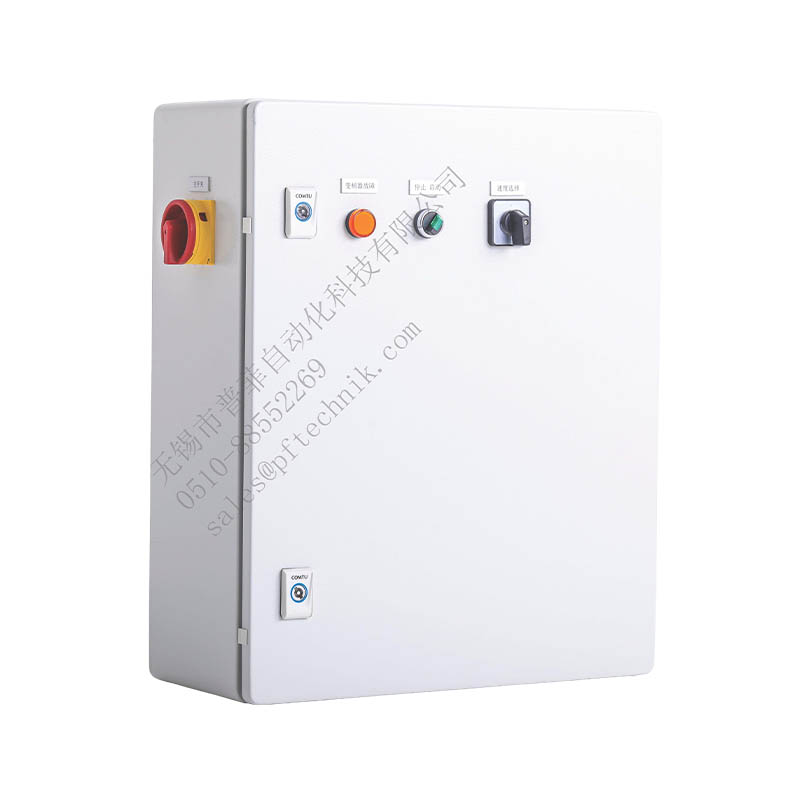
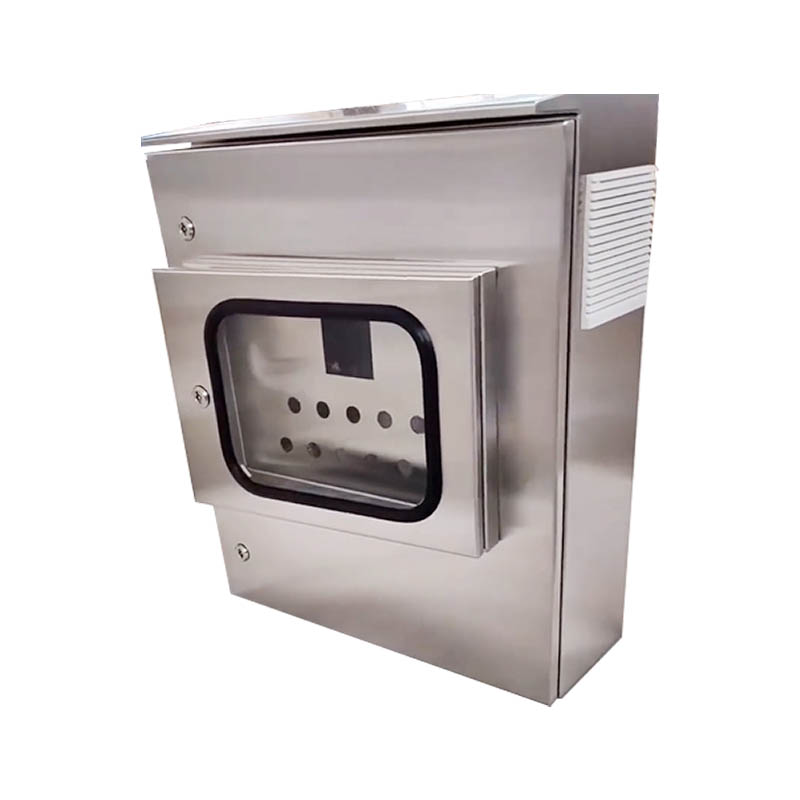
Electrical cabinets demonstrate exceptional adaptability and reliability when operating in complex and demanding industrial environments. To withstand harsh conditions—such as those found in chemical processing and metallurgy—these cabinets typically feature high ingress protection ratings, effectively resisting dust, water, and chemical corrosion. Customized designs are available to meet specific temperature or explosion-proof requirements, incorporating features such as air conditioning, heaters, or explosion-proof structures. Regarding safety, the control cabinet integrates emergency stop buttons and safety relays to ensure rapid power disconnection in the event of a malfunction. Simultaneously, sensors and monitoring modules track critical parameters—such as internal temperature and current—in real-time; the system can automatically trigger alarms or shut down operations upon detecting anomalies, thereby nipping potential risks in the bud.
With the full arrival of the Industry 4.0 era, electrical cabinets are evolving toward greater intelligence and convenience. Internally, they feature modular designs and standardized wiring layouts, utilizing components like wire ducts and terminal blocks to optimize space; this not only facilitates troubleshooting and component replacement but also significantly reduces long-term maintenance costs and the complexity of upgrades. Acting as a hub for signal processing and communication, the control cabinet efficiently links field equipment with upper-level control systems, handling a wide range of analog and digital signals. Looking ahead, through the deep integration of intelligent technologies such as remote monitoring and predictive maintenance, the electrical cabinet will continue to serve as the backbone of industrial automation, driving industrial production toward a more efficient and intelligent future.
The primary function of the electrical cabinet is to enable centralized control and automated management. By housing key components—such as Programmable Logic Controllers (PLCs), variable frequency drives, relays, and Human-Machine Interfaces (HMIs)—within a single enclosure, the cabinet allows for unified management of entire production lines or specific pieces of equipment. Utilizing pre-programmed automation logic, the cabinet precisely executes complex commands—including start/stop sequences, speed adjustments, and state transitions—required for production processes. This high level of automated logic execution drastically reduces the need for manual intervention; it not only boosts production efficiency but also ensures consistent product quality and production pacing, thereby laying a solid foundation for modern smart manufacturing.
Beyond logic control, power distribution and safety protection are indispensable functions of the electrical cabinet. Through precision wiring and component layout, the cabinet provides stable, clearly routed power to field devices such as motors, sensors, and actuators. Simultaneously, the strategic configuration of protective components—including circuit breakers, fuses, thermal relays, and surge protectors—establishes a robust line of defense for electrical safety. These devices effectively guard against anomalies such as overloads, short circuits, and abnormal currents, preventing equipment damage caused by electrical faults. Furthermore, effective isolation and grounding designs minimize electromagnetic interference, ensuring a clean and safe internal electrical environment.
Electrical cabinets demonstrate exceptional adaptability and reliability when operating in complex and demanding industrial environments. To withstand harsh conditions—such as those found in chemical processing and metallurgy—these cabinets typically feature high ingress protection ratings, effectively resisting dust, water, and chemical corrosion. Customized designs are available to meet specific temperature or explosion-proof requirements, incorporating features such as air conditioning, heaters, or explosion-proof structures. Regarding safety, the control cabinet integrates emergency stop buttons and safety relays to ensure rapid power disconnection in the event of a malfunction. Simultaneously, sensors and monitoring modules track critical parameters—such as internal temperature and current—in real-time; the system can automatically trigger alarms or shut down operations upon detecting anomalies, thereby nipping potential risks in the bud.
With the full arrival of the Industry 4.0 era, electrical cabinets are evolving toward greater intelligence and convenience. Internally, they feature modular designs and standardized wiring layouts, utilizing components like wire ducts and terminal blocks to optimize space; this not only facilitates troubleshooting and component replacement but also significantly reduces long-term maintenance costs and the complexity of upgrades. Acting as a hub for signal processing and communication, the control cabinet efficiently links field equipment with upper-level control systems, handling a wide range of analog and digital signals. Looking ahead, through the deep integration of intelligent technologies such as remote monitoring and predictive maintenance, the electrical cabinet will continue to serve as the backbone of industrial automation, driving industrial production toward a more efficient and intelligent future.